Radio Kootwijk
THE ABANDONED RADIO STATION IN THE NETHERLANDS
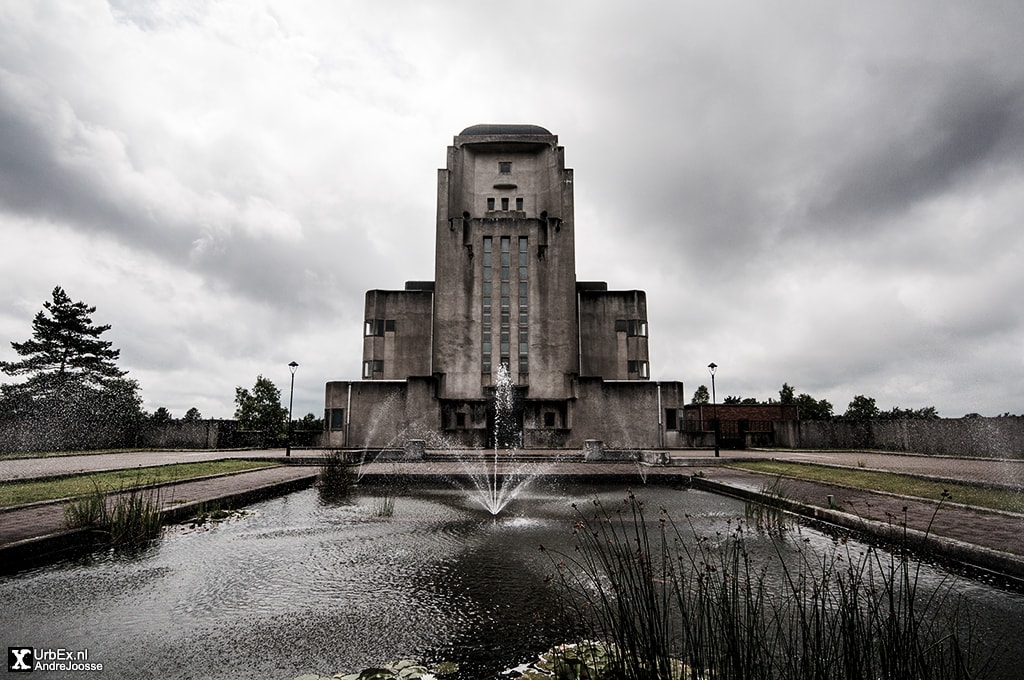
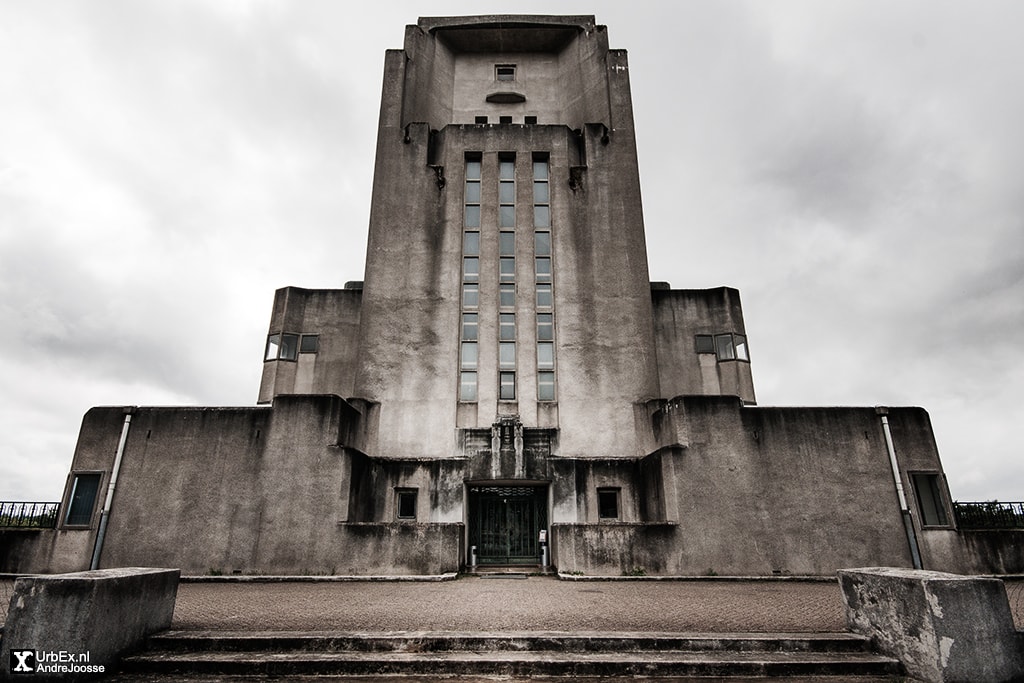
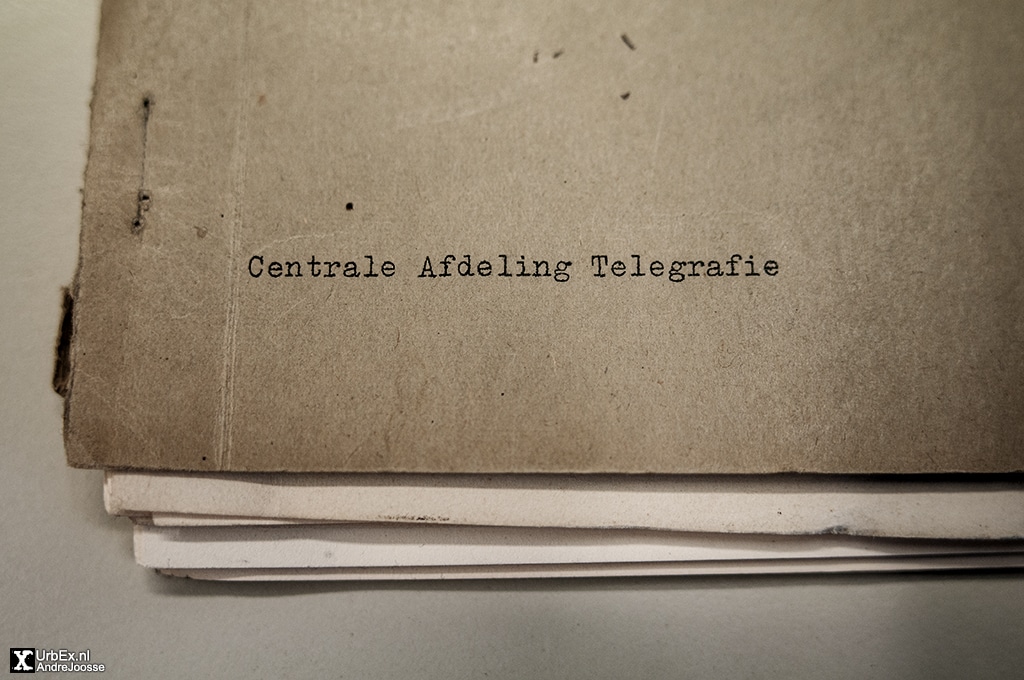
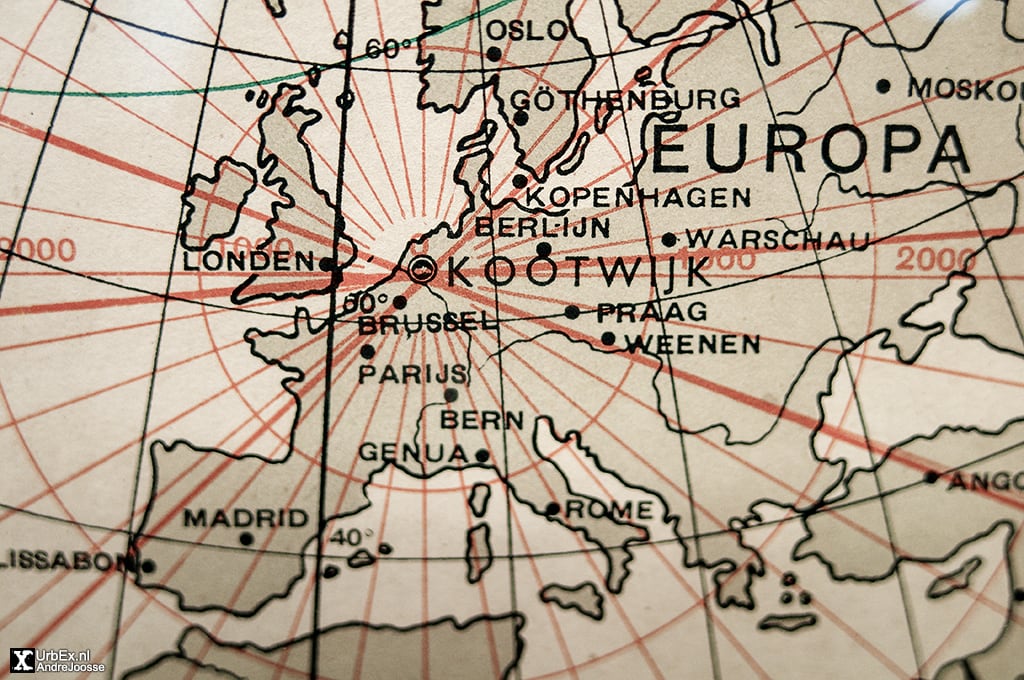
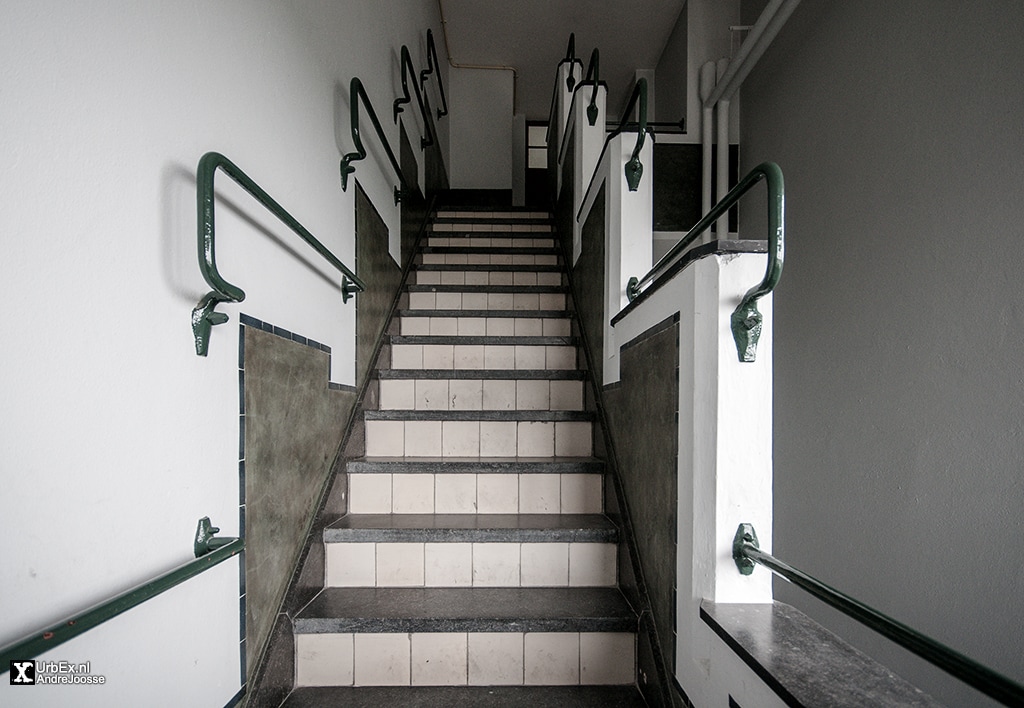
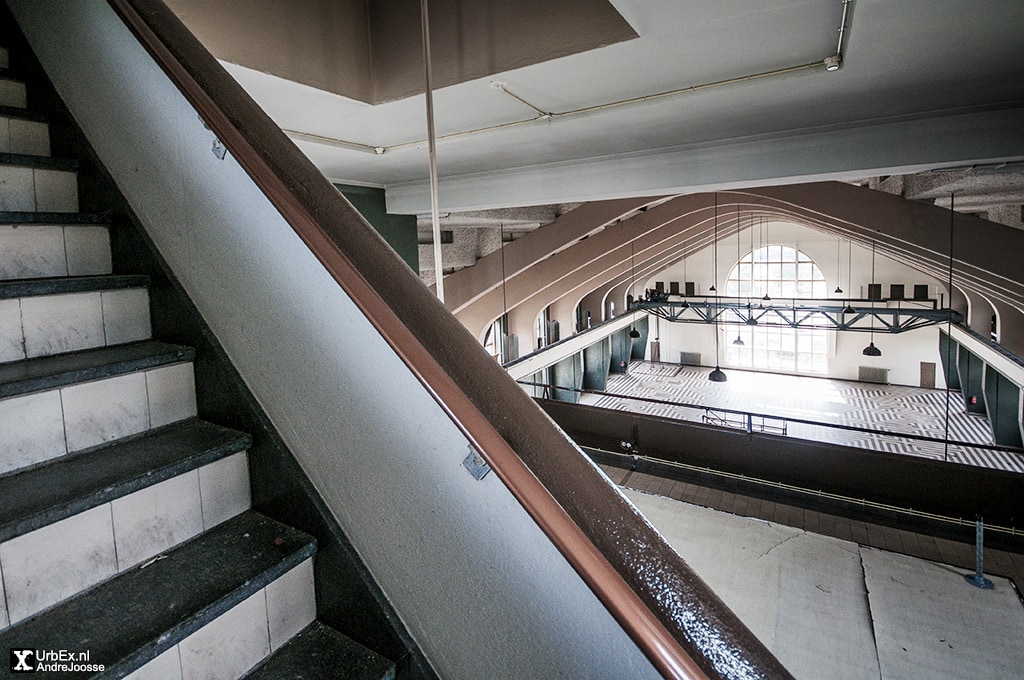
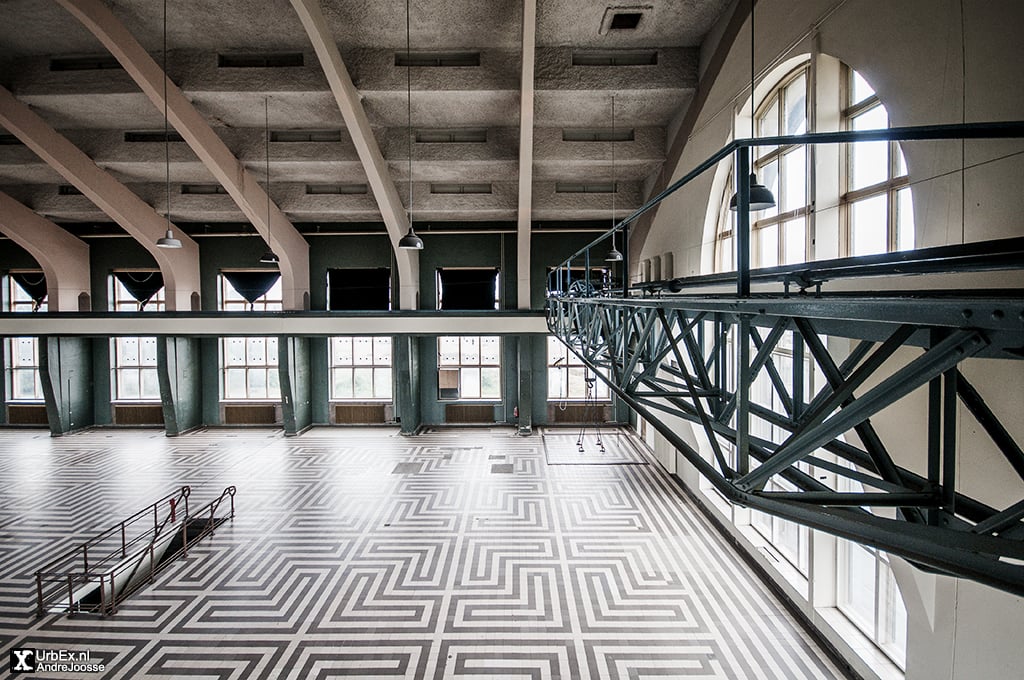
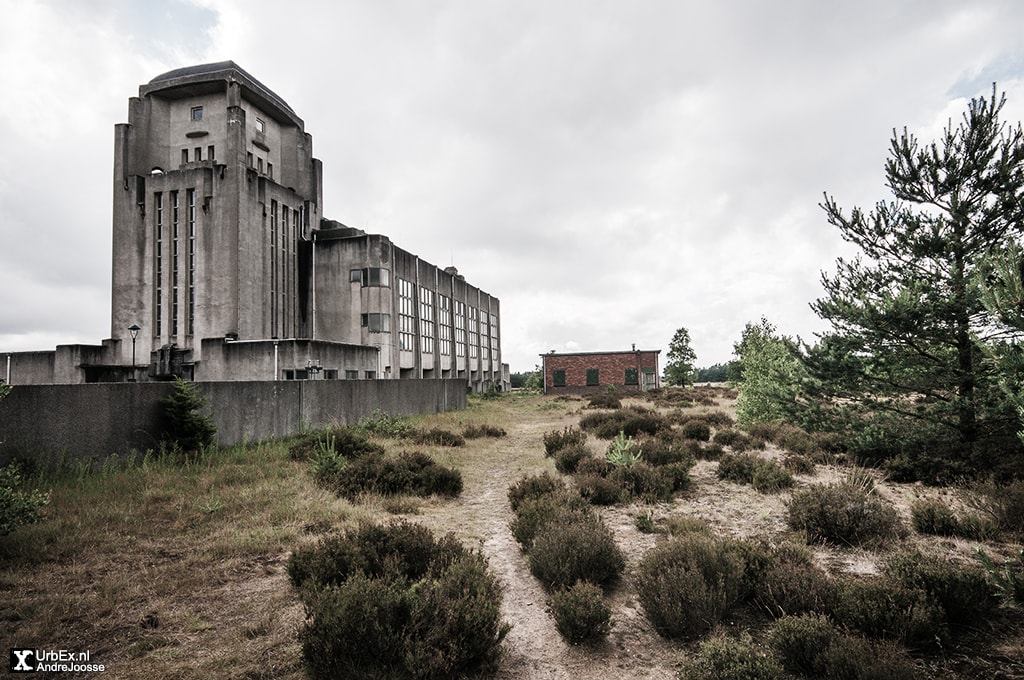
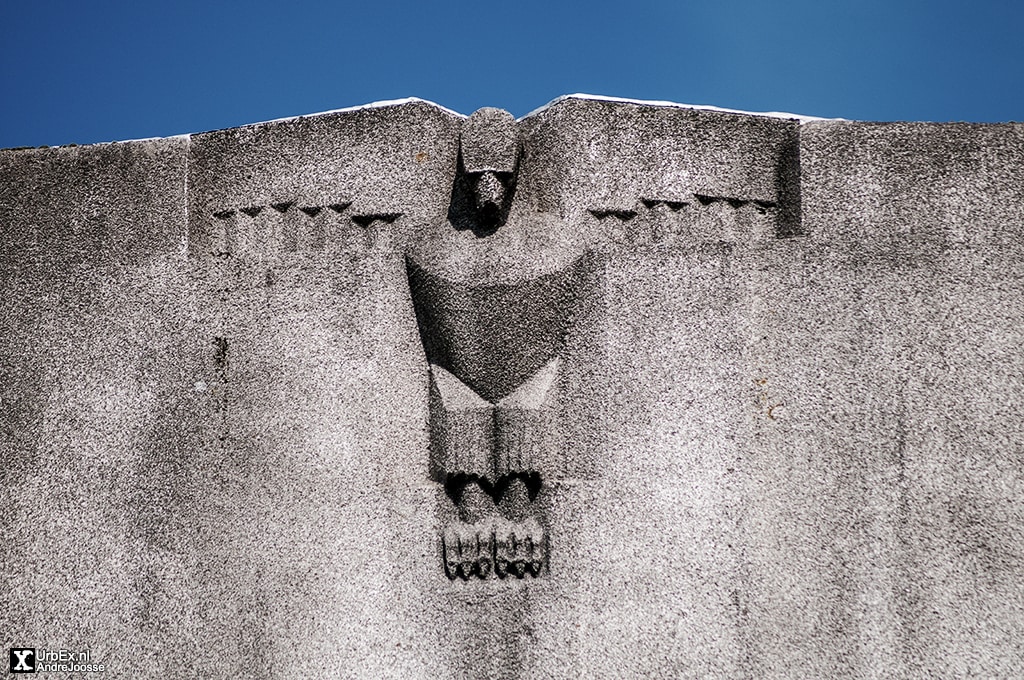
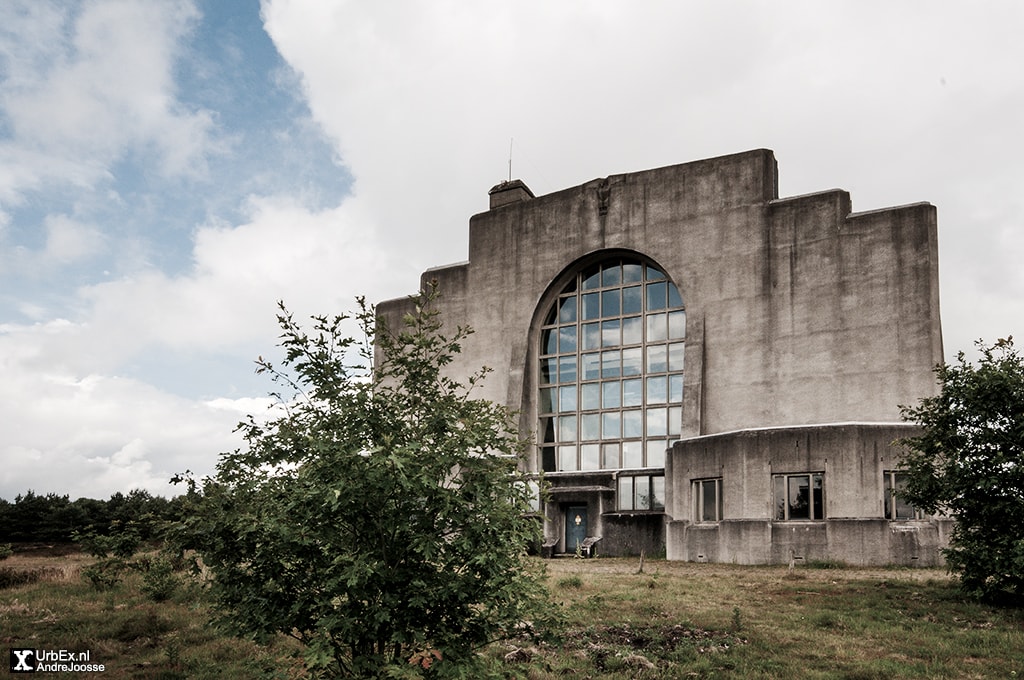
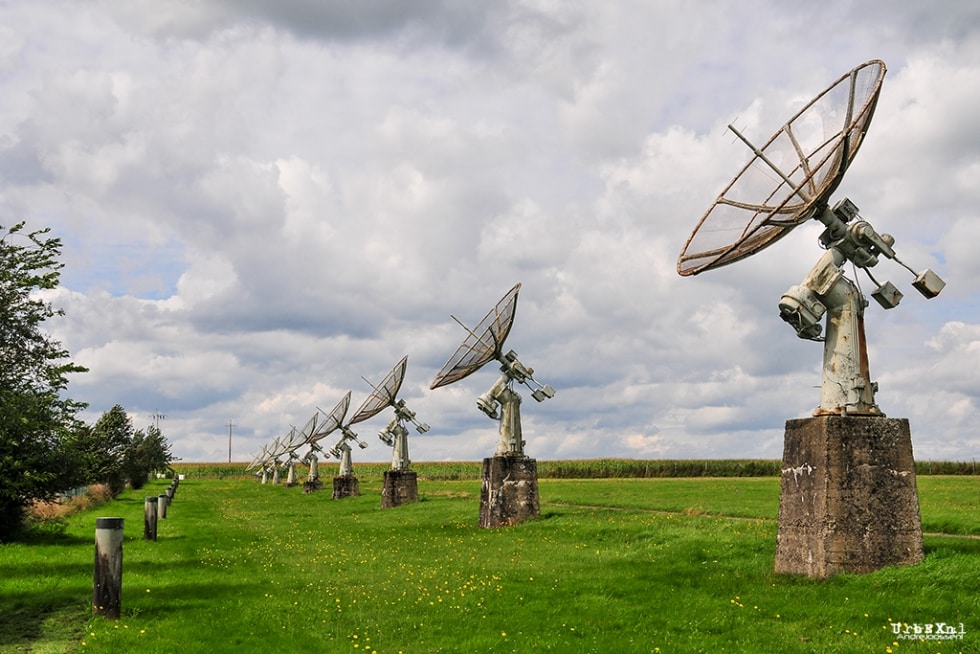
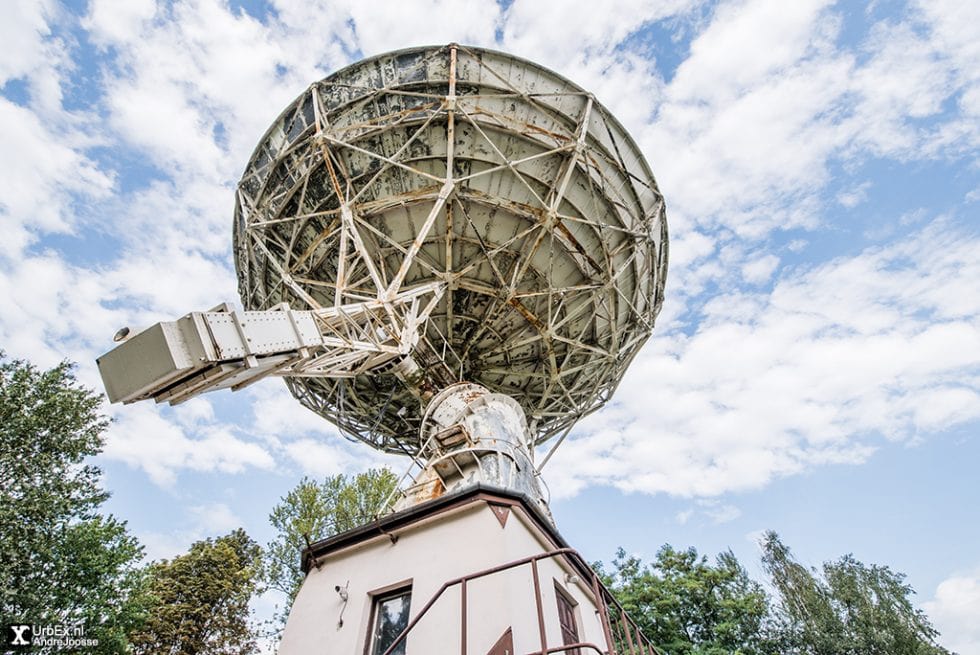
‘Radio Kootwijk’ is a radio transmitting park existing of several stations. Two of the buildings burned down recently, but the most impressive building, ‘Station A’ is still there. The building is protected. The station was built in 1918 for communication between The Netherlands and the former colonies of The Netherlands like the Dutch East Indies.
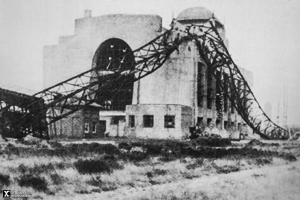
During the Second World War, the German army took over the station and used it for communication with submarine troops. When the Canadians came to free the country all the equipment was taken to Germany, the radio masts were blown down and they tried to demolish the building. Lucky enough the building from reinforced concrete was to strong to be demolished. In 1947 the equipment was found back in the former East Germany. When communication became more and more modern, the station lost its use. In 1966 the first big masts were blown down with explosives. In 1980 the last and highest mast was torn down, in 1999 the station lost its use and became abandoned.
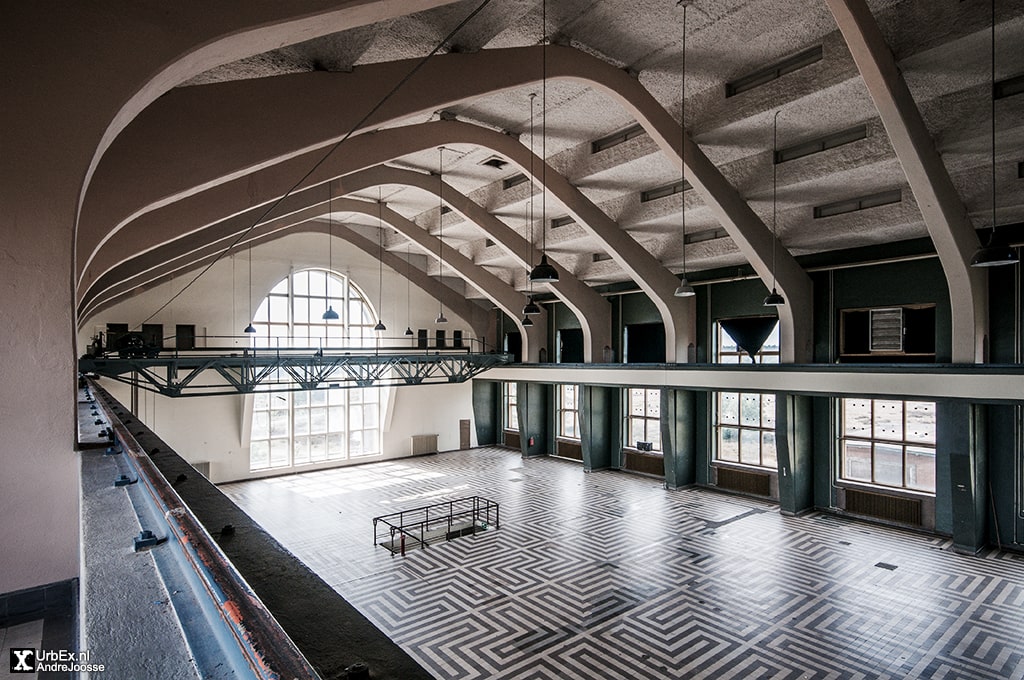
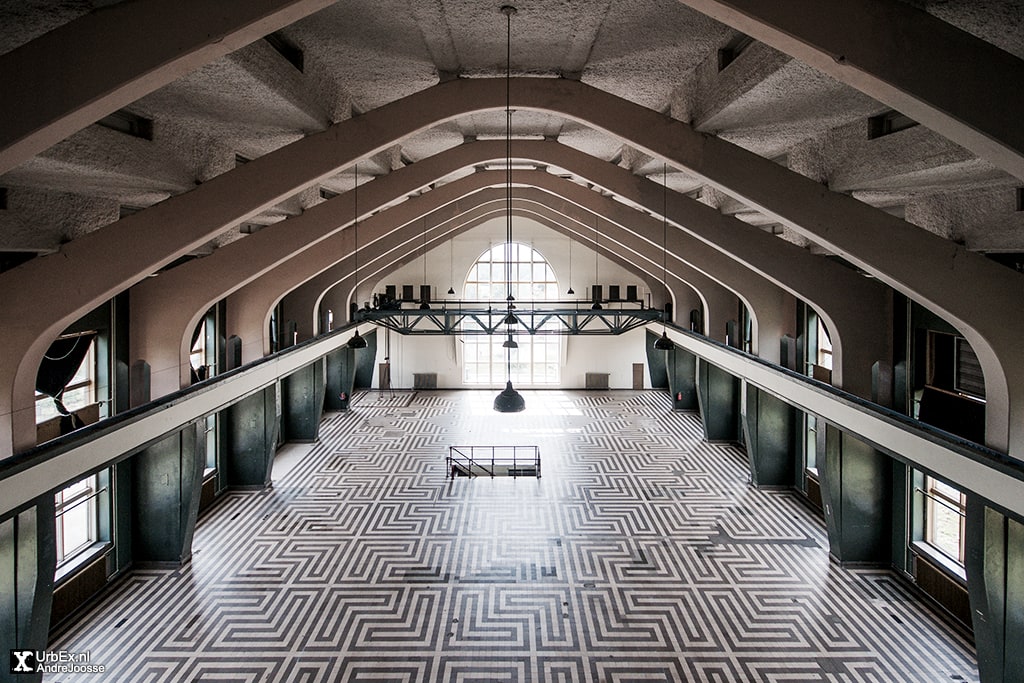
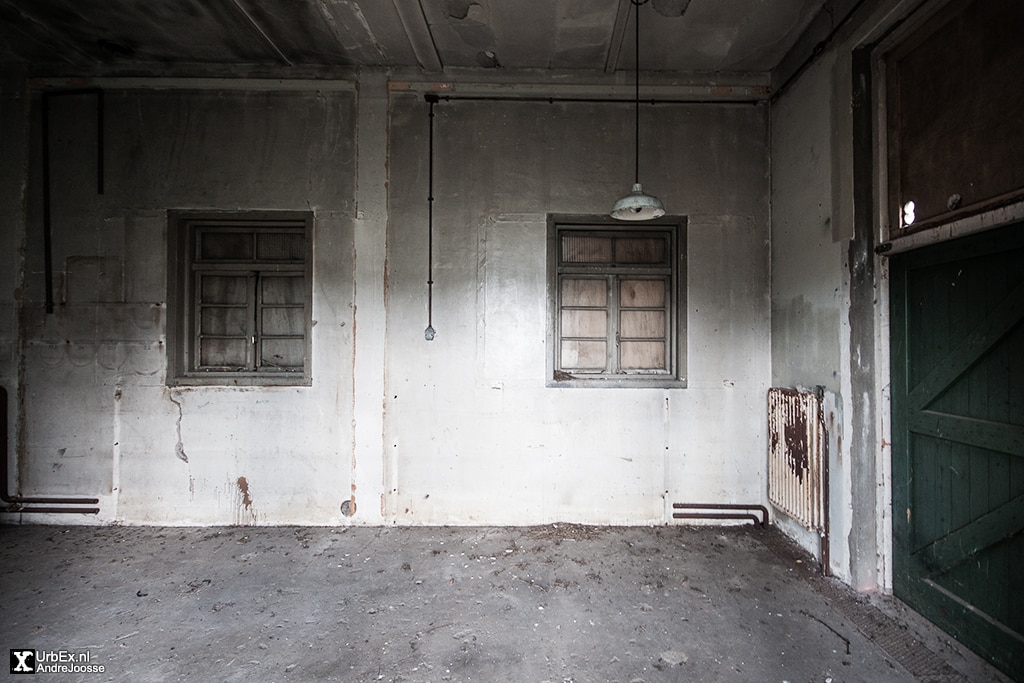
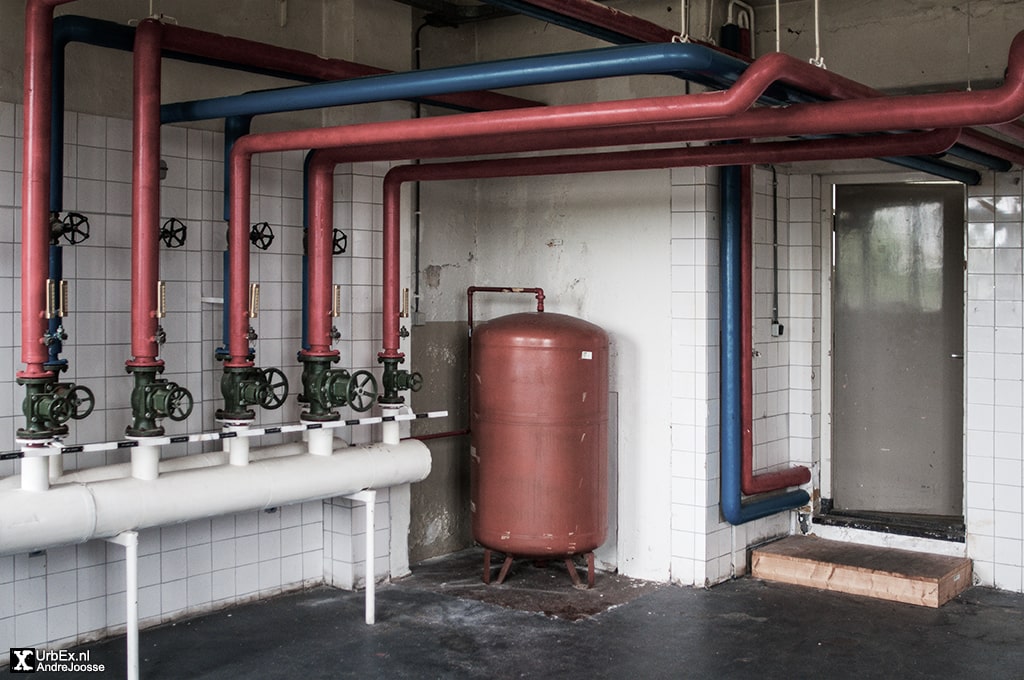
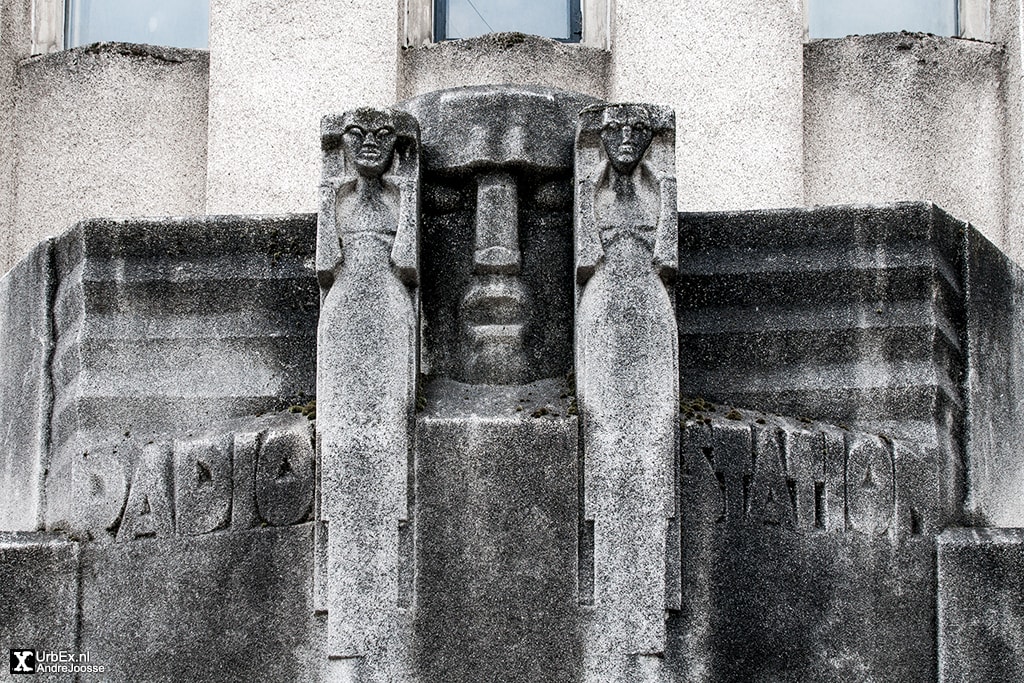
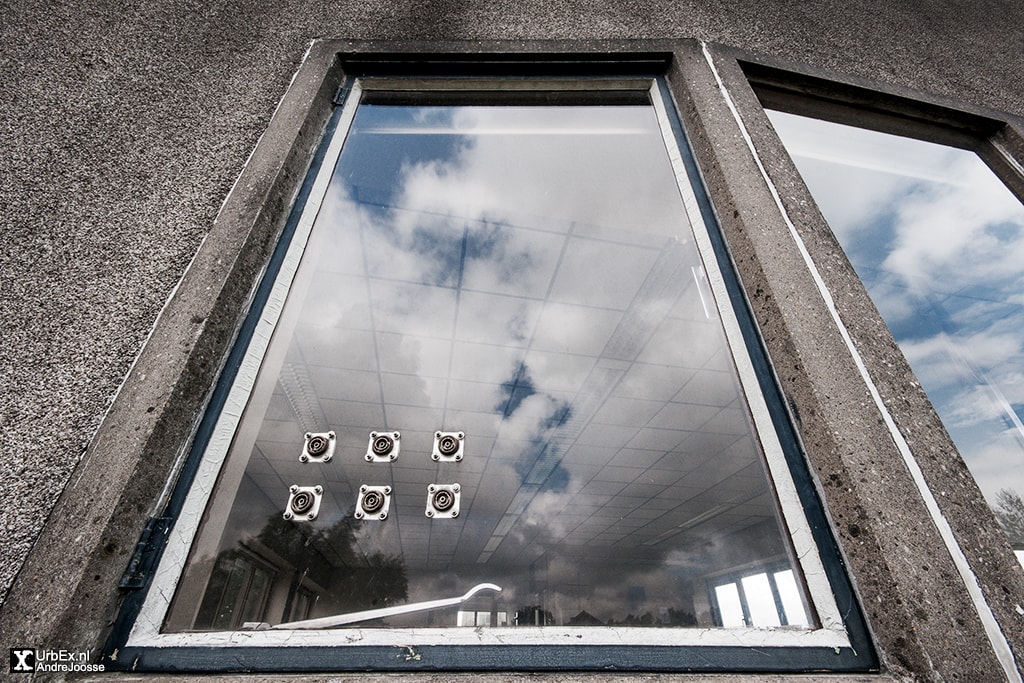
Nowadays the buildings and surrounding park is protected. The park is a public place that can be visited, and the building ‘Station A’ can be rented for events. The movie Mindhunters was partly shot in the Radio Kootwijk buildings. I took these photos of ‘Radio Kootwijk’ in 2009.