Convento de Monfurado
Convento de Monfurado is an abandoned convent in the Serra de Monfurado, near Montemor-o-Novo in Portugal. The ruins hide a long story of monks, faith and isolation. Today, nature is taking back the old buildings.
- Built: 1738
- Abandoned: 1980s
- Status: Endangered
- Visited: 2024
The full name of the convent is Convento de Nossa Senhora do Castelo das Covas de Monfurado. It is also known as Convento dos Monges. The convent was founded in the early 18th century by a group of hermits who lived in the hills.
One of the best-known monks was Baltasar da Encarnação. In 1713, he and three other hermits lived a life of strict prayer and fasting in the caves of Monfurado. These caves were linked to old Roman mines in the area. Their way of life became known across the Alentejo region.
First mass
The monks later received land from João de Vilalobos e Vasconcelos. They used it to build a permanent religious community. The first mass in the new convent took place in 1738. Then, in 1755, a major earthquake struck Portugal. The convent suffered serious damage. Repairs followed, but the site never returned to its former importance.
In 1834, the Portuguese government dissolved the male religious orders. The convent then passed into private hands. Religious services continued for many years, however, and the church was still used until the early 20th century.
Left to decay
After the religious community disappeared, the convent slowly lost its original purpose. The surrounding houses remained in use for much longer. Some were still occupied until the 1980s.
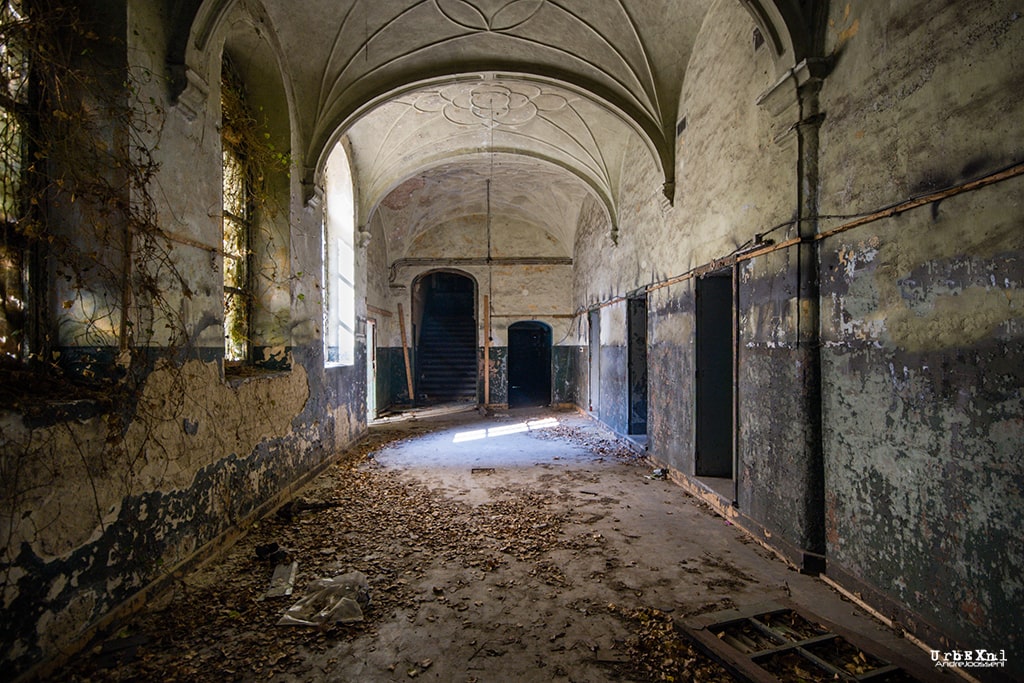
Over time, the buildings were left to decay. Plants started growing over the walls. Rain entered through damaged roofs, while parts of the old structure began to collapse.
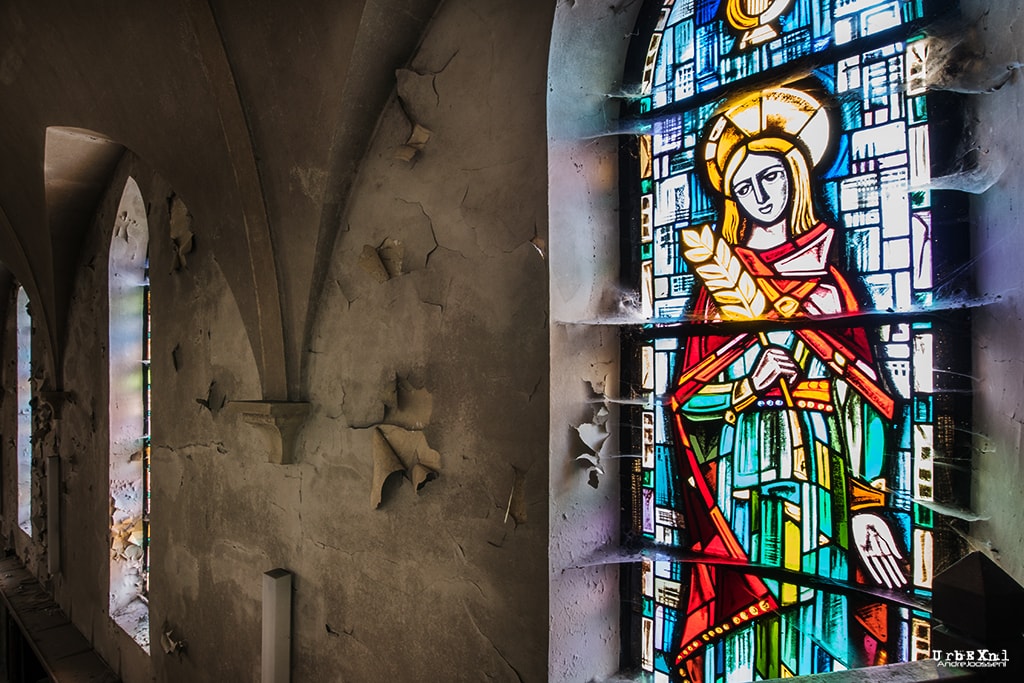
Today, Convento de Monfurado stands in an advanced state of ruin. Large parts of the original structure can still be recognized. Old rooms, fireplaces, kitchens, dormitories, and parts of the church remain visible.
Nature has taken over
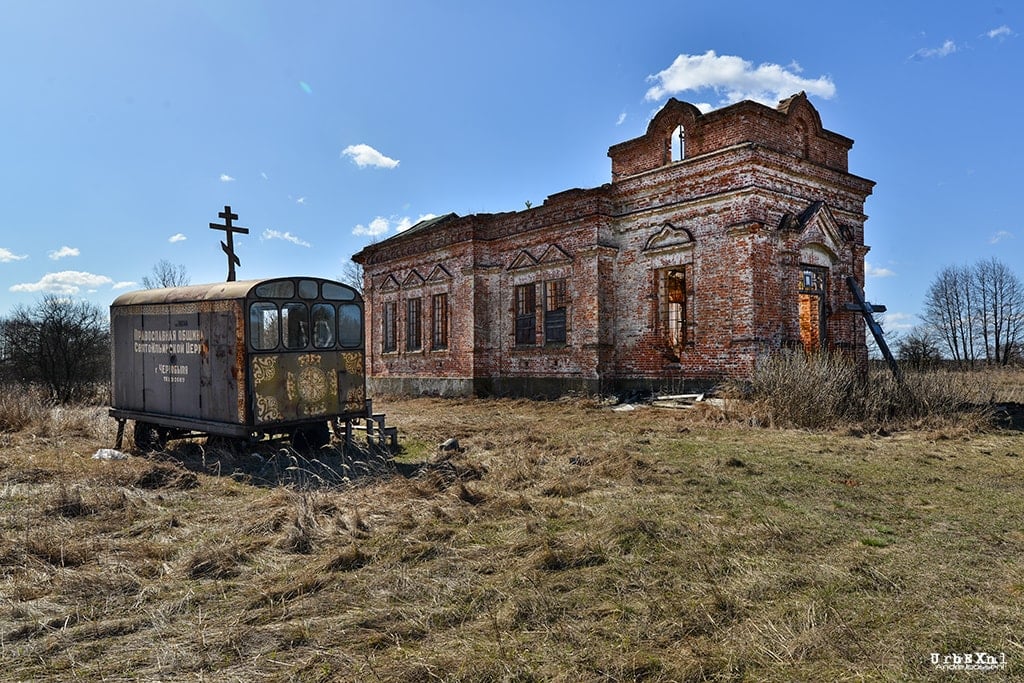
Trees, bushes, and other plants grow around the old walls. Some roofs have disappeared completely, leaving parts of the convent open to the sky. The remote setting makes the ruins feel even more forgotten. It is easy to imagine how isolated the monks must have felt here centuries ago.
The site is privately owned, and the building is in poor condition. Local information also warns that entering the interior is not advisable.